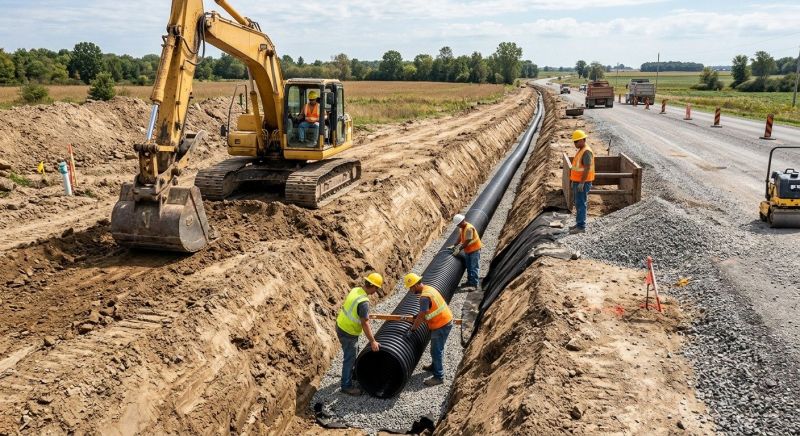
Ditch Repair in Houston, TX
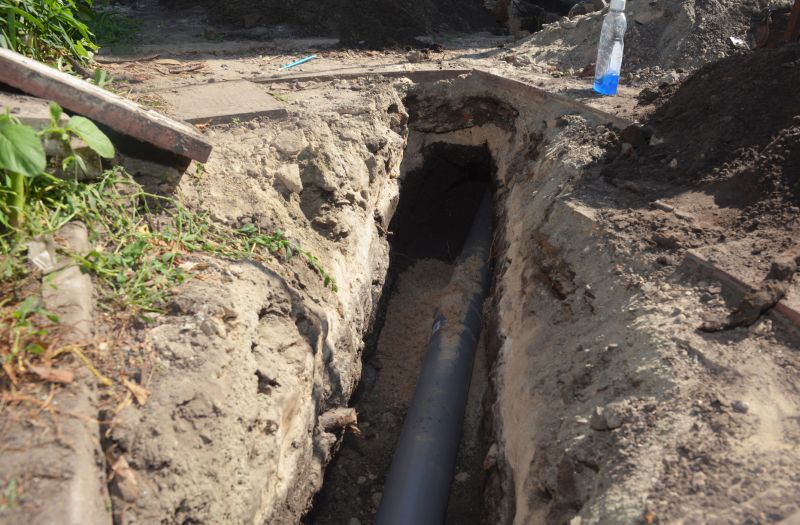
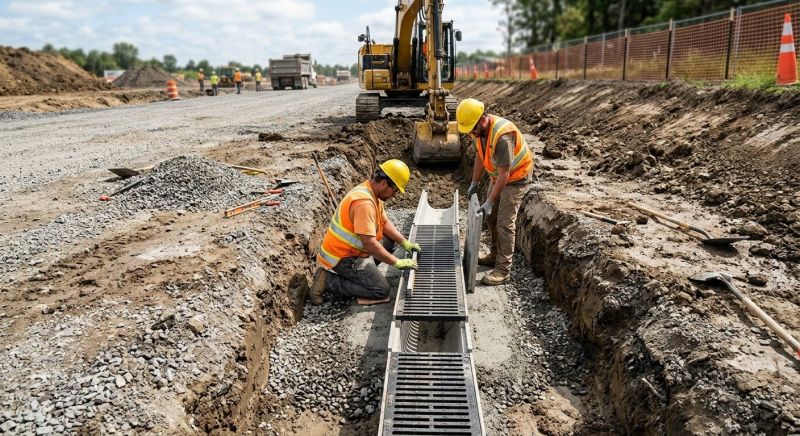
Ditch repair services focus on restoring and maintaining underground drainage systems that divert water away from a property’s foundation, landscaping, or other structures. These projects typically involve fixing broken, cracked, or collapsed ditches, as well as replacing worn-out sections or installing new drainage channels to prevent water pooling and soil erosion. Homeowners often seek ditch repair when experiencing persistent flooding, standing water after storms, or signs of soil movement around their property, aiming to improve drainage and protect their landscape.
Before requesting ditch repair, property owners usually want to understand the extent of the damage, the types of materials used, and the scope of work involved. It’s helpful to consider the current drainage system’s condition, any underlying issues such as clogged or blocked sections, and the desired outcome for water management. Clarifying these details can assist in planning a repair that effectively addresses drainage concerns and maintains the property's overall integrity.
Many property owners in Houston, TX look into Ditch Repair for repairs, replacements, upgrades, and appearance-related improvements.
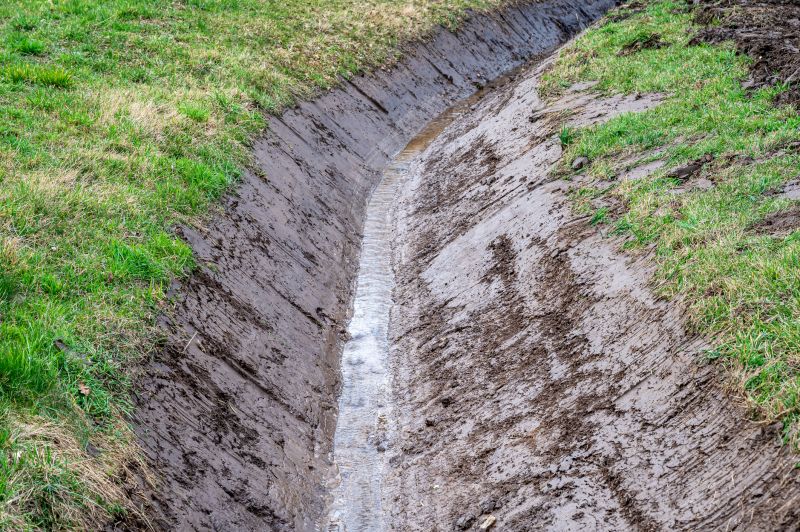
Common Ditch Issues
Ditches in houston properties often face erosion, blockages, and structural damage that require professional repair.
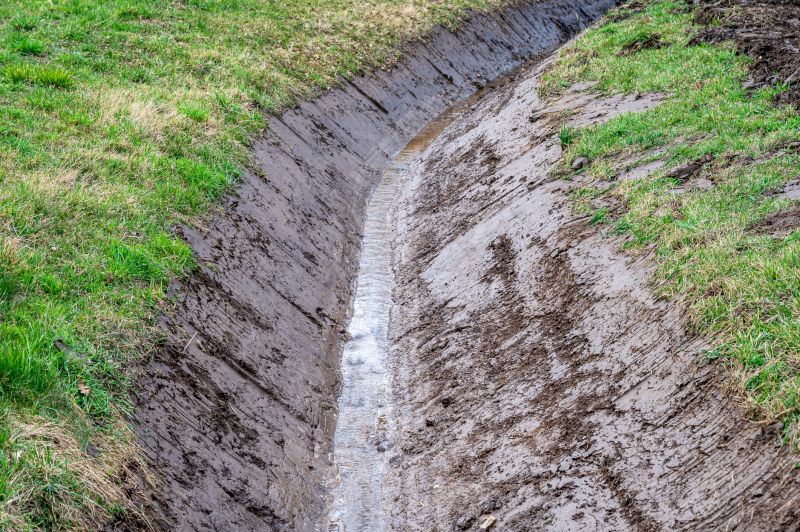
Repair Solutions
Services include restoring proper drainage, reinforcing ditch walls, and clearing debris to prevent water issues.
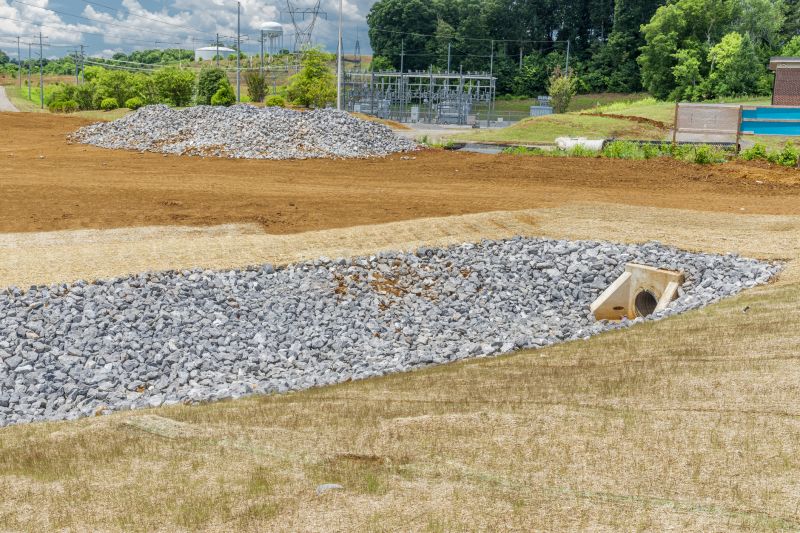
Property Protection
Proper ditch repair helps safeguard foundations, prevent flooding, and maintain landscape integrity in houston homes.
Ditch Repair in Houston, TX

Ditch repair services focus on restoring and maintaining underground drainage systems that divert water away from a property’s foundation, landscaping, or other structures. These projects typically involve fixing broken, cracked, or collapsed ditches, as well as replacing worn-out sections or installing new drainage channels to prevent water pooling and soil erosion. Homeowners often seek ditch repair when experiencing persistent flooding, standing water after storms, or signs of soil movement around their property, aiming to improve drainage and protect their landscape.
Before requesting ditch repair, property owners usually want to understand the extent of the damage, the types of materials used, and the scope of work involved. It’s helpful to consider the current drainage system’s condition, any underlying issues such as clogged or blocked sections, and the desired outcome for water management. Clarifying these details can assist in planning a repair that effectively addresses drainage concerns and maintains the property's overall integrity.
Many property owners in Houston, TX look into Ditch Repair for repairs, replacements, upgrades, and appearance-related improvements.
Common Ditch Repair Jobs
Drain pipe repair - fixes leaks, cracks, or blockages in existing drain lines.
Pipe replacement - replaces damaged or collapsed sections of the drain system.
Root intrusion removal - clears roots that have penetrated and damaged underground pipes.
Pipe lining services - applies a durable lining to restore pipe integrity without full replacement.
Trenchless repair - minimizes surface disruption during pipe repairs or replacements.
Drain system inspection - uses cameras to diagnose issues and plan effective repairs.
Ditch Repair Questions
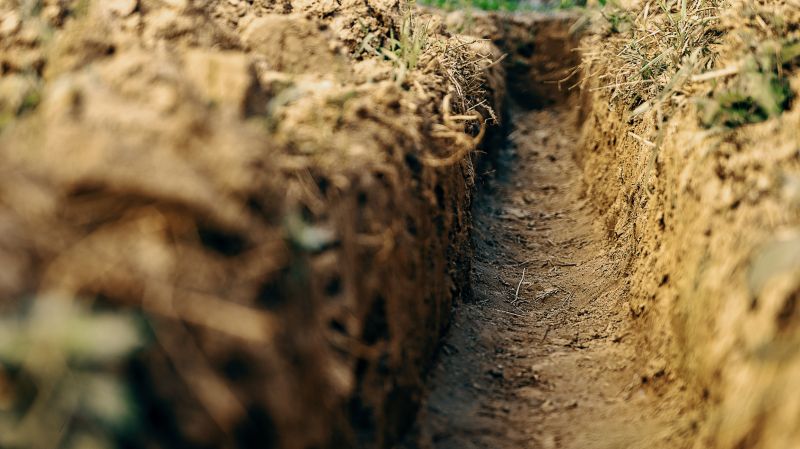
What types of ditch repairs are common? Repairs often include fixing erosion, clearing blockages, and restoring damaged channels to ensure proper water flow.
How can I tell if my ditch needs repair? Signs include persistent flooding, sediment buildup, or visible damage along the ditch banks.
What materials are used for ditch repairs? Common materials include soil, gravel, and erosion control fabrics to stabilize and reinforce the ditch structure.
Why is proper ditch repair important? Proper repairs help prevent property damage, control erosion, and improve drainage efficiency on the property.
Request Ditch Repair in Houston, TX
Use the quote form on this page to share the basics of your project and request more information for the type of work you need.