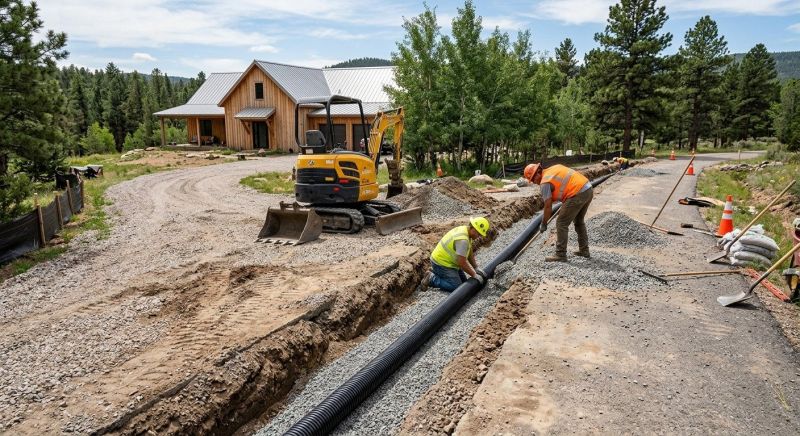
Drain Trenching in Atlanta, GA
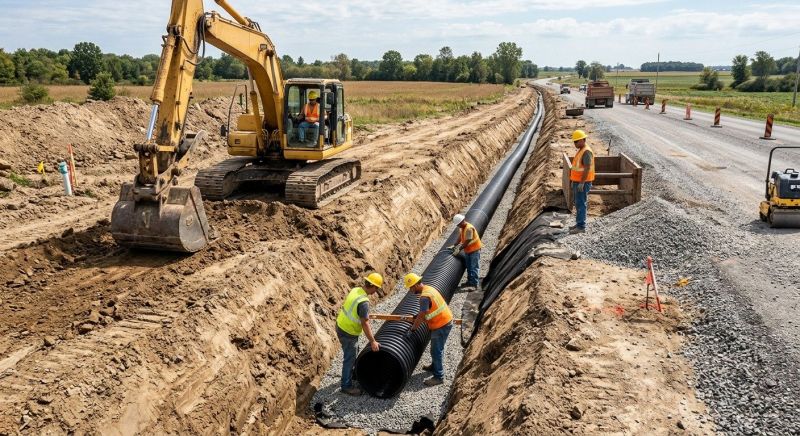
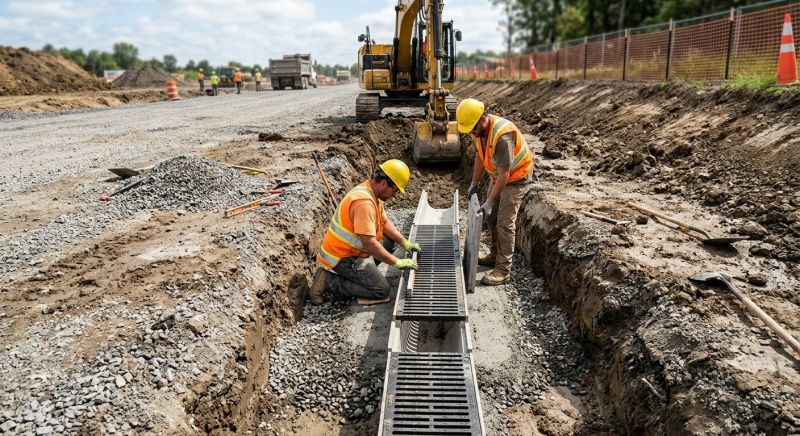
Drain trenching services involve excavating narrow, deep channels in the ground to manage water flow and prevent drainage issues around a property. This process is commonly used for installing drain lines, improving yard drainage, or redirecting excess water away from foundations and other structures. Property owners often request drain trenching for projects such as installing French drains, sump pump outlets, or underground drainage systems to address persistent water pooling or erosion concerns.
Before requesting drain trenching, homeowners should consider the specific drainage problem they want to solve and the location where the trenches will be placed. It is helpful to understand the slope of the land, the type of soil, and any existing underground utilities in the area. Clear communication about the project’s goals and a review of property plans can ensure the trenching work is properly designed to meet drainage needs effectively.
Many property owners in Atlanta, GA look into Drain Trenching for repairs, replacements, upgrades, and appearance-related improvements.

Drain Trenching For New Installations
Proper trenching ensures effective drainage for new residential and commercial plumbing systems in atlanta.
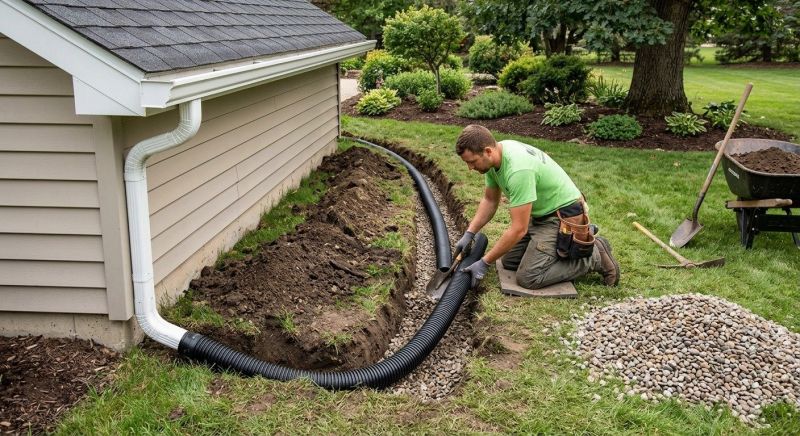
Repair And Replacement Services
Trenching helps access and replace damaged or aging underground pipes to prevent leaks and water damage.
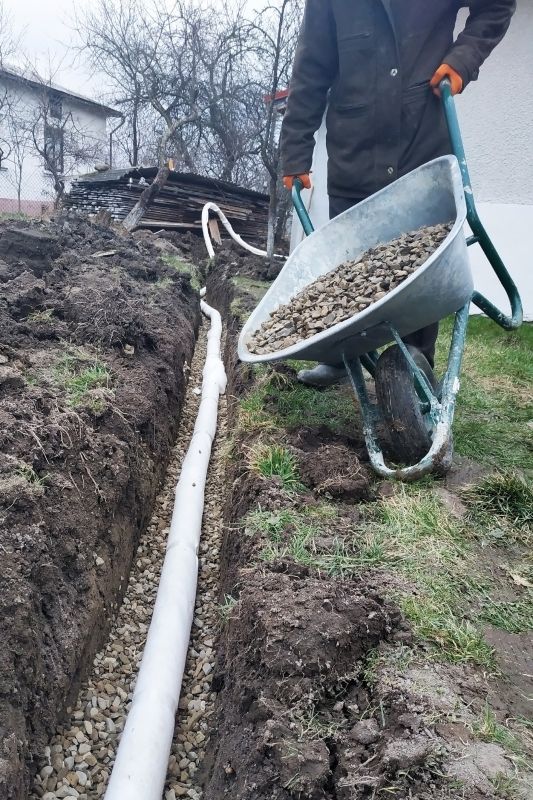
Landscape And Drainage Solutions
Strategic trenching can improve yard drainage and prevent water pooling around atlanta properties.
Drain Trenching in Atlanta, GA

Drain trenching services involve excavating narrow, deep channels in the ground to manage water flow and prevent drainage issues around a property. This process is commonly used for installing drain lines, improving yard drainage, or redirecting excess water away from foundations and other structures. Property owners often request drain trenching for projects such as installing French drains, sump pump outlets, or underground drainage systems to address persistent water pooling or erosion concerns.
Before requesting drain trenching, homeowners should consider the specific drainage problem they want to solve and the location where the trenches will be placed. It is helpful to understand the slope of the land, the type of soil, and any existing underground utilities in the area. Clear communication about the project’s goals and a review of property plans can ensure the trenching work is properly designed to meet drainage needs effectively.
Many property owners in Atlanta, GA look into Drain Trenching for repairs, replacements, upgrades, and appearance-related improvements.
Common Drain Trenching Jobs
Drain trenching - creates a channel to effectively redirect excess water away from foundations.
Foundation drainage - helps prevent water buildup that can cause structural damage over time.
Landscape drainage - improves yard safety and prevents erosion by directing water flow.
Basement waterproofing - involves trenching to install drainage systems that keep basements dry.
Stormwater management - installs trenches to handle heavy rainfall and reduce flooding risks.
Property drainage solutions - tailored trenching services to address specific water drainage challenges.
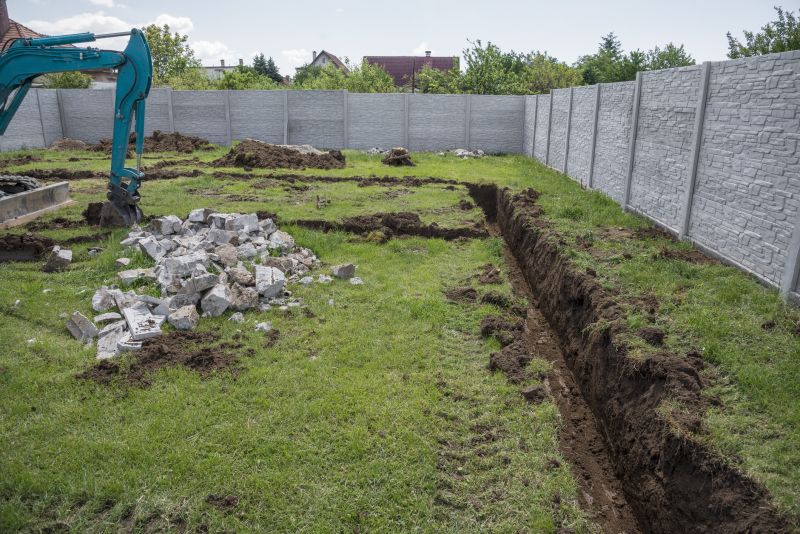
Drain Trenching Questions
What is drain trenching used for? Drain trenching creates channels in the ground to redirect water away from foundations, basements, or landscaping to prevent flooding and erosion.
What types of projects typically require drain trenching? Projects include installing new drainage systems, repairing existing ones, or managing excess surface water around properties.
How deep are drain trenches usually dug? Trenches are generally dug to depths that effectively redirect water, often between 12 to 24 inches, depending on the site and purpose.
What materials are used in drain trenching systems? Common materials include perforated pipes, gravel, and fabric liners to ensure proper drainage and prevent clogging.
Request Drain Trenching in Atlanta, GA
Use the quote form on this page to share the basics of your project and request more information for the type of work you need.